
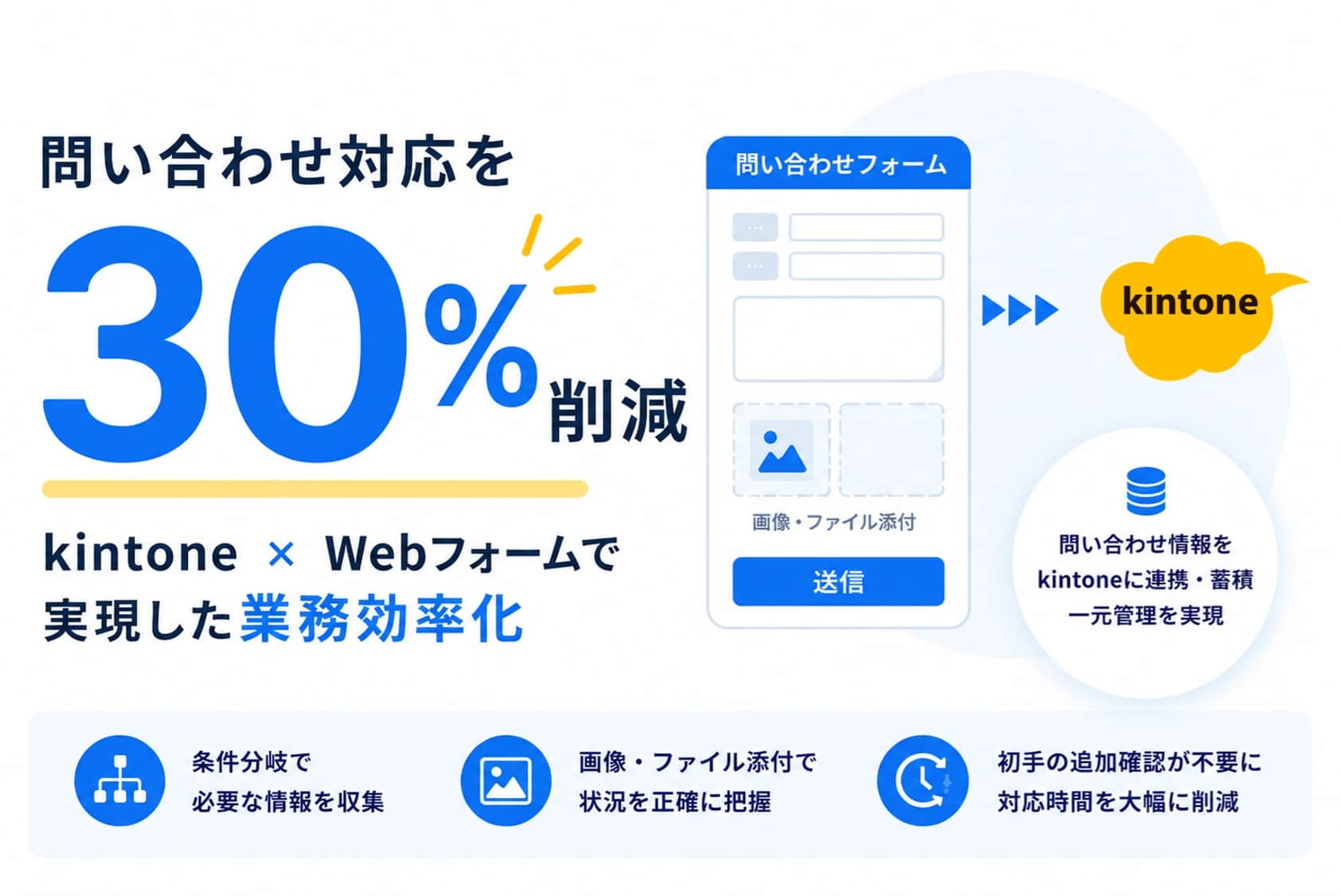
Overview: Cutting Inquiry Handling by 30% with kintone × Web Forms
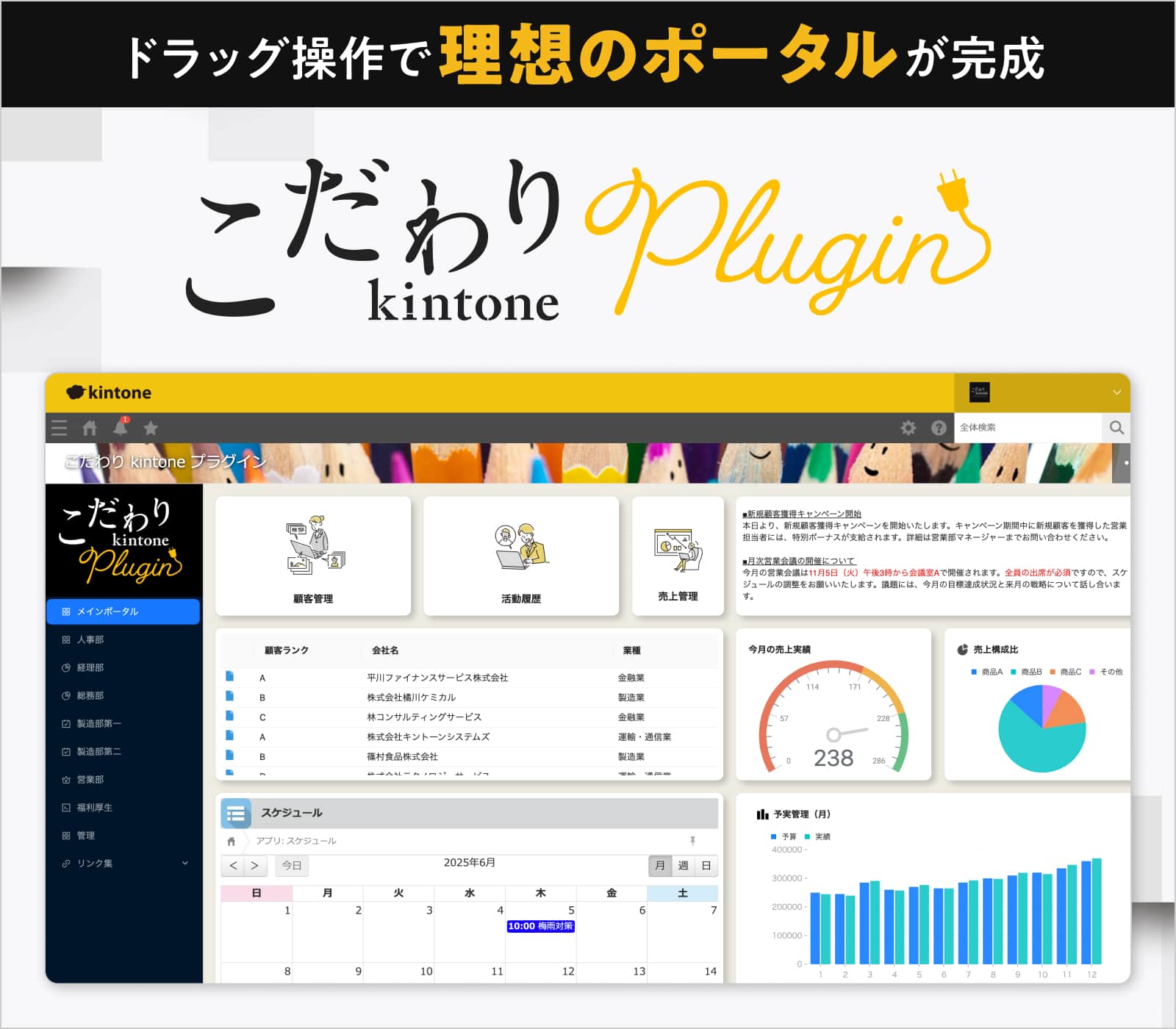
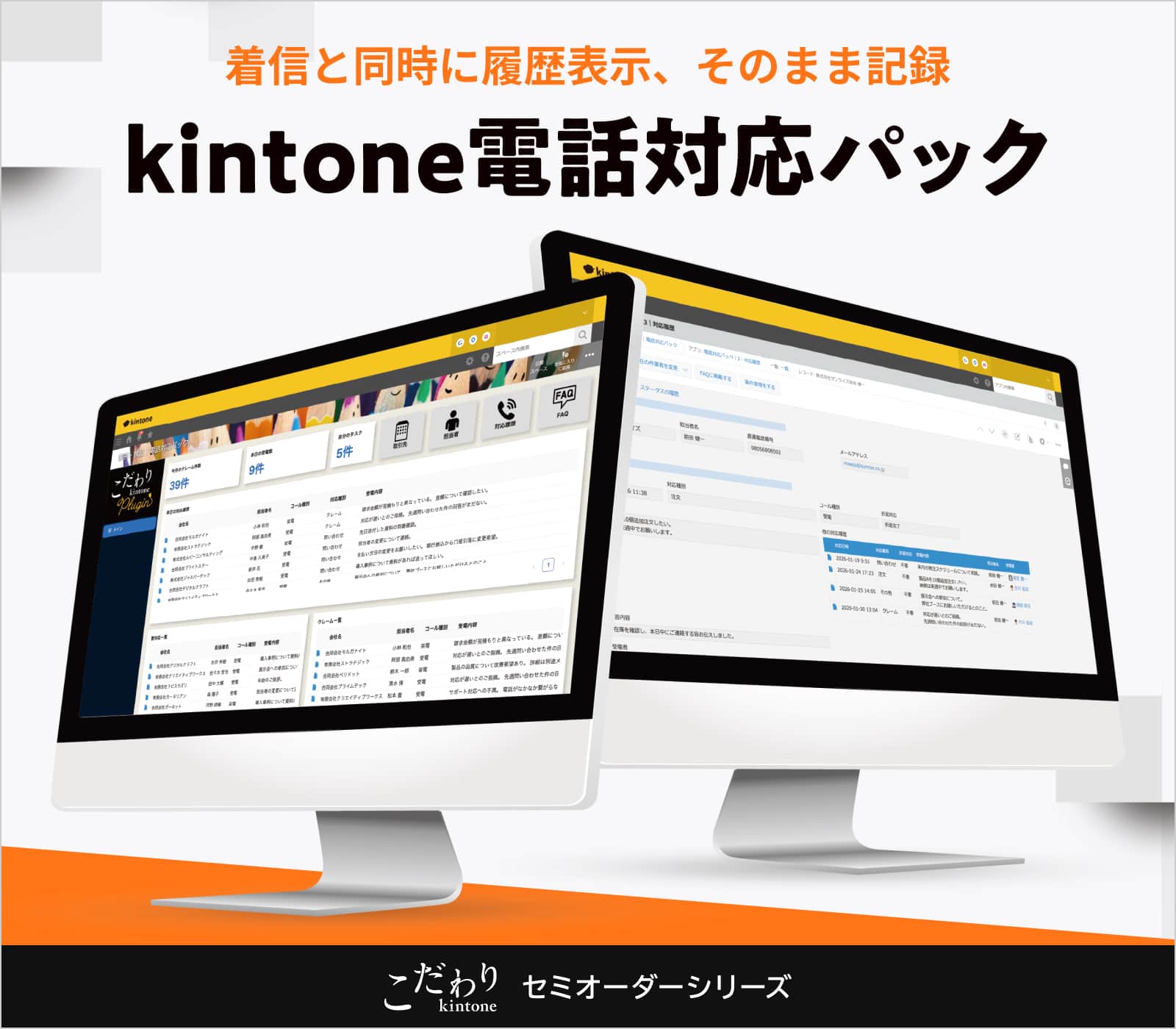
Logical Studio Inc. provides web and system development, as well as kintone implementation and operational support and the development of integrated systems. Its own products include the “Kodawari kintone Plugin,” which lets you customize kintone portal screens and spaces without code. The company also develops products in collaboration with other companies' services, such as the “kintone Phone Support Pack,” which integrates with the cloud PBX “INNOVERA.”
Logical Studio adopted the Kanal-WEB Form Plan as the inquiry channel for its own products.
With its previous inquiry form, the necessary information was often missing from the initial inquiry, which led to extra exchanges to confirm details such as screenshots and the customer's environment.
So the company switched to Kanal-WEB, which can show different input fields depending on the inquiry (conditional branching) and accepts image and file attachments.
Now all the necessary information is in hand as soon as an inquiry arrives, reducing inquiry-related exchanges by about 30%.
Challenge: A “Wasted Round Trip” of Follow-Up Questions with Every Inquiry
The company had been using another vendor's form builder to accept inquiries and various applications for its products.
The challenge was the follow-up confirmation needed after each inquiry.
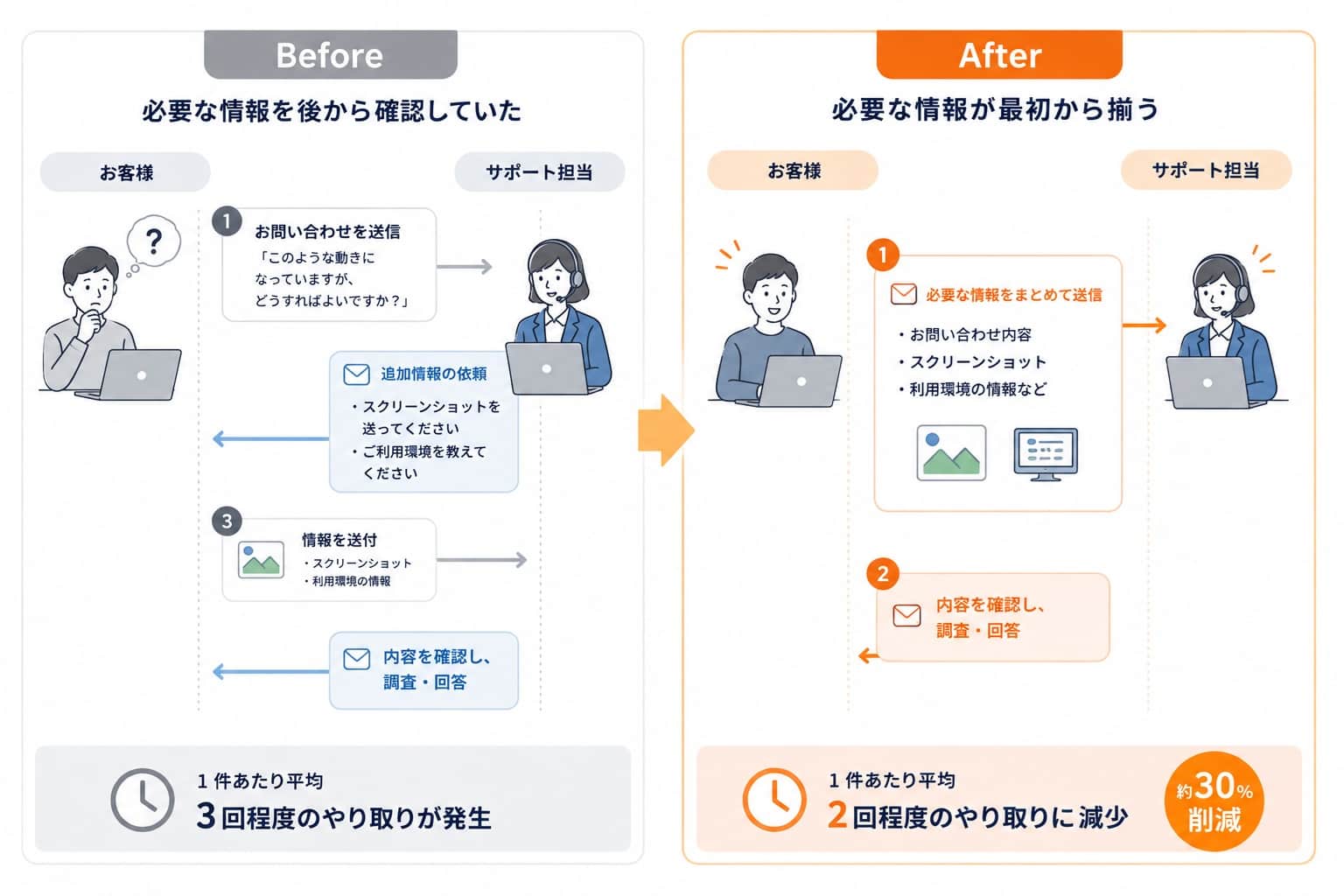
Every time an inquiry came in, staff had to reply with requests like “Please send us a screenshot” or “Please tell us about your environment,” and then wait for the customer to send the information.
This round trip of “requesting additional information → having the customer send it” happened every time and had become a burden on inquiry handling.
Solution: Collecting All Necessary Information at Once with “Conditional Branching” and File Attachments
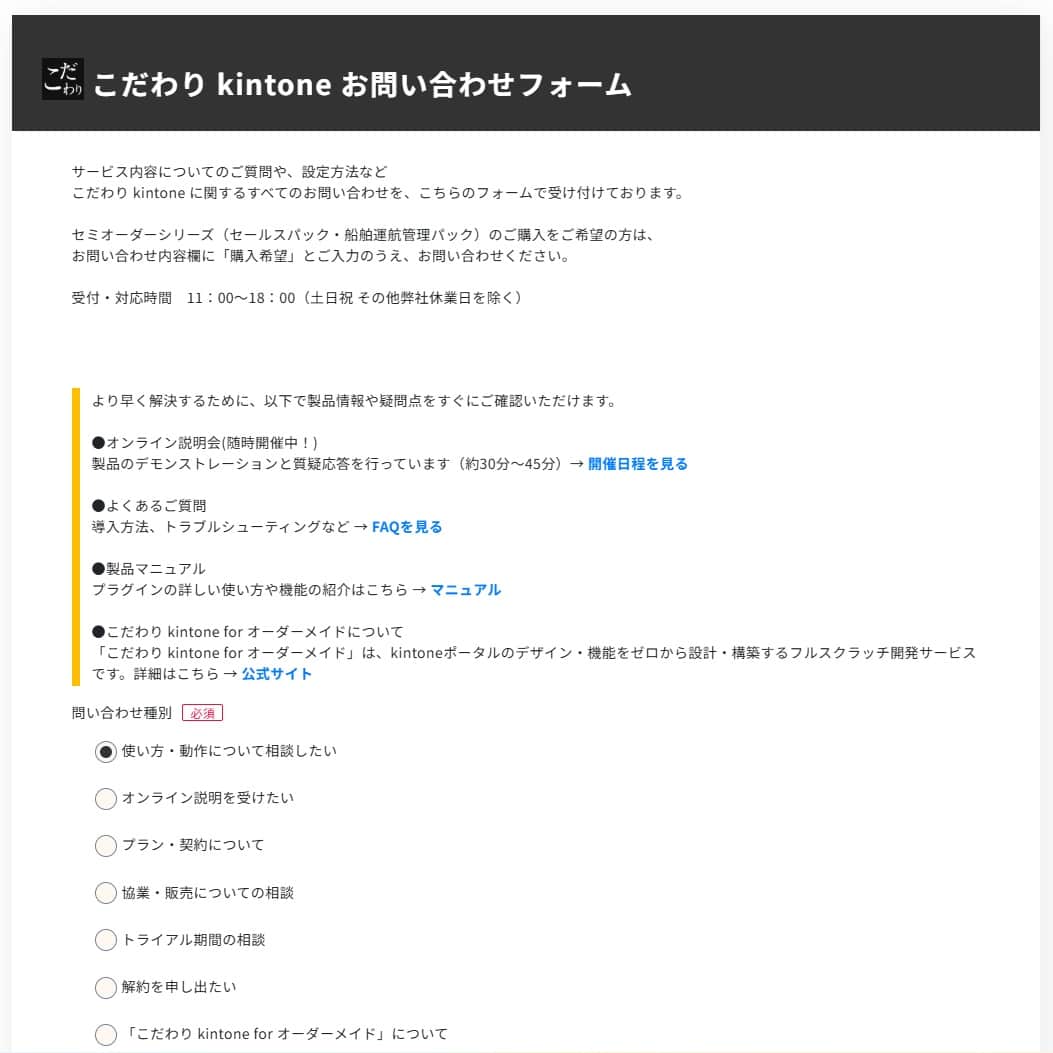
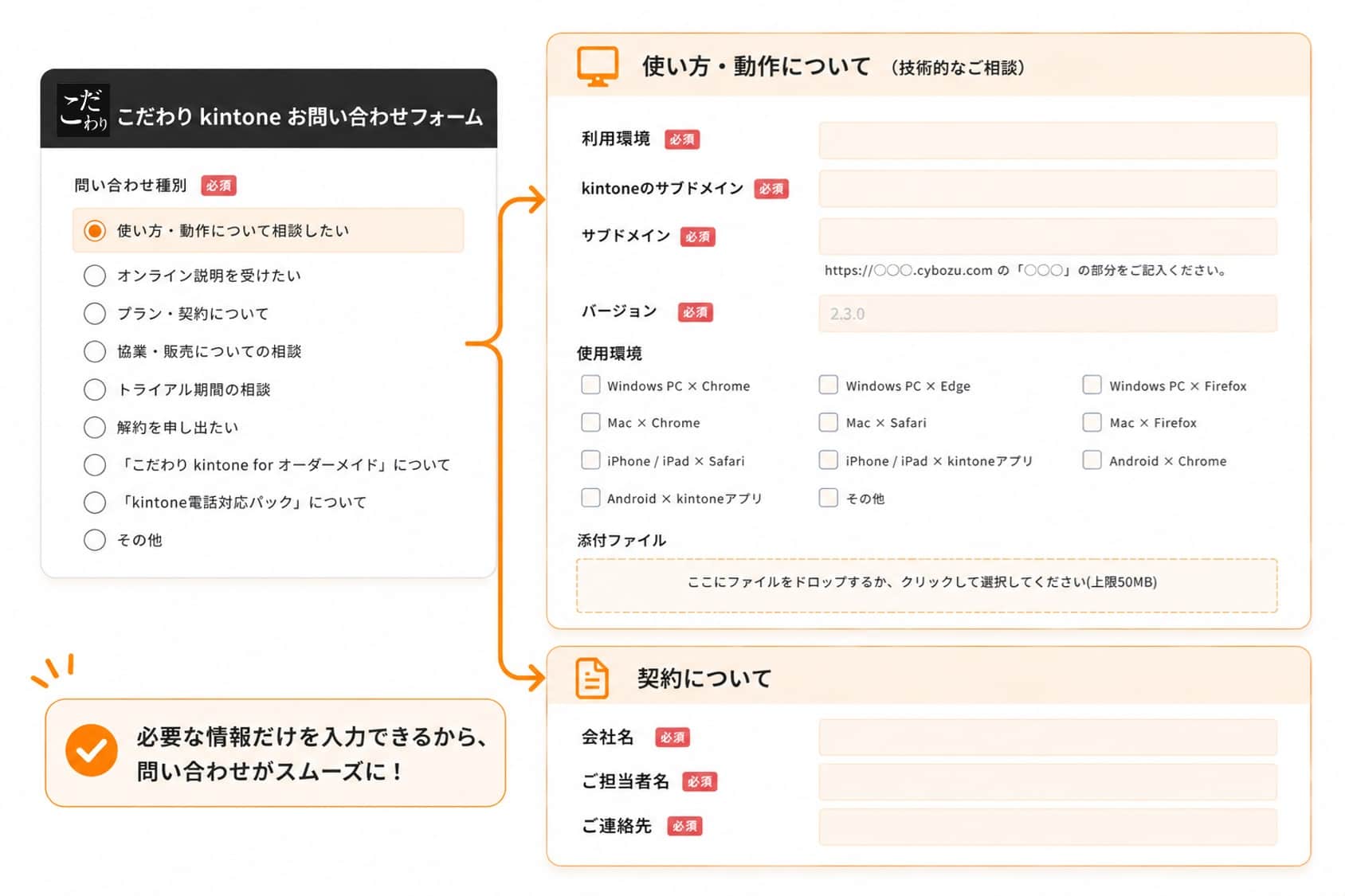
The answer was an inquiry form that switches input fields based on the type of inquiry.
For example, an inquiry about “usage and behavior” requires information such as the customer's environment, kintone subdomain, and screenshots. Inquiries about contracts or trials, on the other hand, require different information. Kanal-WEB supports both conditional display of input fields and image and file attachments. As a result, the company can now collect the information it needs from the start, based on what each inquiry is about.
Form screen example
Conditional branching example
Results: No More “Wasted Round Trips,” and About 30% Less Inquiry Handling
The biggest change after implementation is that all the necessary information is now available as soon as an inquiry is received.
Wasted back-and-forth such as “Please send us a screenshot” or “Please tell us about your environment” has disappeared.
Exchanges per inquiry dropped from about three on average to about two. As a result, inquiry-related exchanges have been reduced by about 30%. Beyond delivering the features it needed, the company also values that it was able to keep costs down while expanding functionality. Because staff can start investigating as soon as they review an inquiry, the workload on the people handling inquiries has also eased.
Next Steps: Putting Accumulated Inquiry Data to Work with AI
The company is also considering building up inquiry content and past support history as a knowledge base and putting that data to use with AI.
One example is a system that uses AI to draft replies to inquiries based on the accumulated information.
Collect inquiry information through web forms, store it in kintone, and use that data for the next inquiry.
The goal is an operation that looks beyond more efficient inquiry intake to how the data can be used afterward.
Wasted back-and-forth such as “Please send us a screenshot” or “Please tell us about your environment” has disappeared.
Exchanges per inquiry dropped from about three on average to about two. As a result, inquiry-related exchanges have been reduced by about 30%. Beyond delivering the features it needed, the company also values that it was able to keep costs down while expanding functionality. Because staff can start investigating as soon as they review an inquiry, the workload on the people handling inquiries has also eased.
Summary: Fewer Wasted Exchanges, Higher Support Satisfaction
Follow-up questions after an inquiry not only burden the staff who handle them but also create hassle and stress for customers, slowing down the path to a resolution.
By collecting the necessary information at the time of inquiry through conditional branching and file attachments, Logical Studio eliminated the “wasted round trip” that used to occur.
As a result, inquiry-related exchanges have been reduced by about 30%, and the team can move on to investigation and responses more smoothly.
Not only streamlining work for the support team, but also delivering smooth support that doesn't keep customers waiting.
Improving inquiry forms is one of the key initiatives for raising support satisfaction.